
Privacy Fence Installation
Six and eight foot screens of wood or vinyl boards, set on deep posts, stepped or racked to the yard, with a gate that still closes after a winter.
Topeka Quality Fence offers fence installation and repair in Carbondale, KS, from privacy fences and fence replacement to gate repair on Carbondale lots.
Request a quote
Say where the fence goes and what it has to keep in or out. Someone calls back with a per-foot range.
Given that almost 40% of houses built more than 50 years ago, that means that in Carbondale there's also 50 years old fences, which we need to look at and fix.
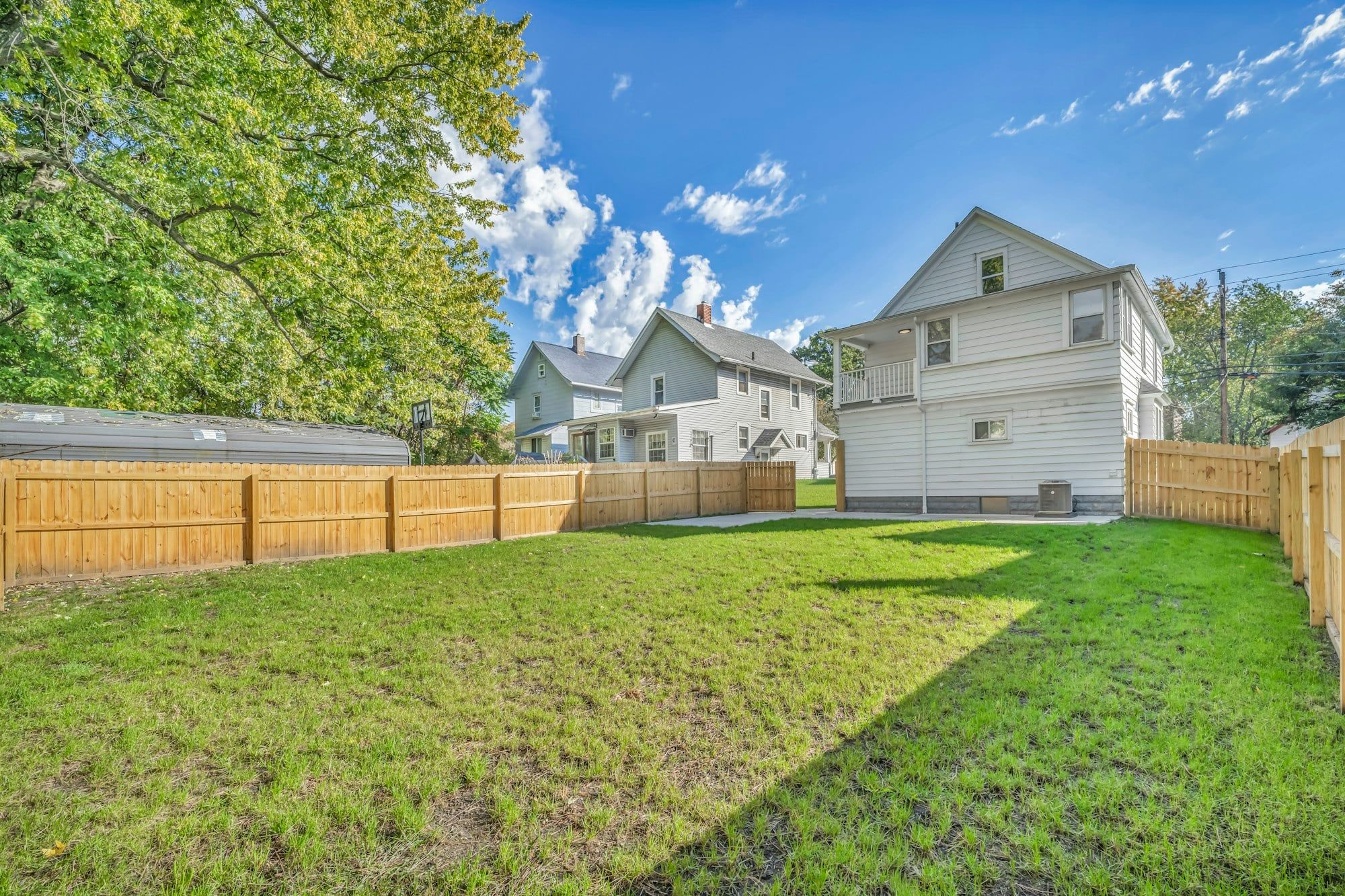
It's interesting that the town was founded more than 150 years ago as a coal town.
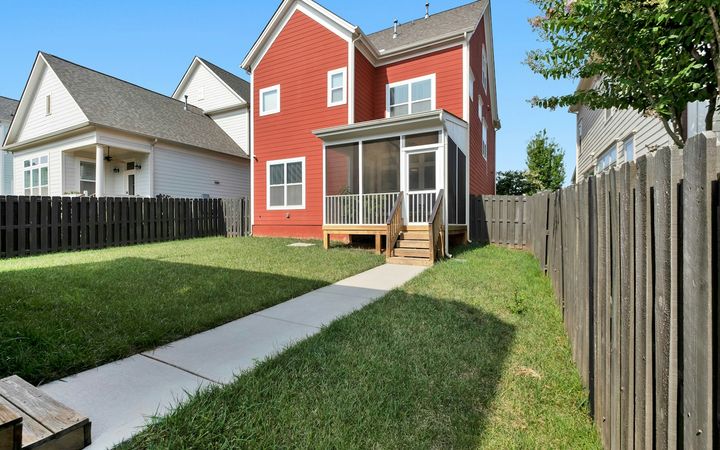
Generally, the building owners decide that, but we aim to make sure that the board-on-board, which is a fence with boards overlapping on both sides of the rail, looks good. We also install a gate for each tenant.
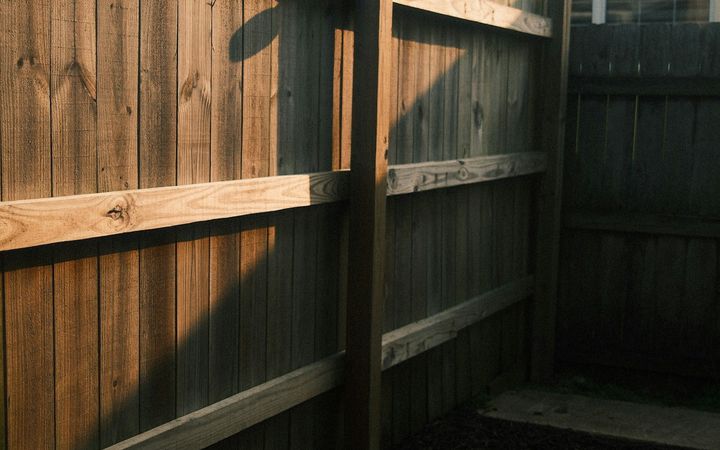
With US-75's four lanes running by town, we need to build to 6 feet, which is the city's limit at a home. We also use solid boards on steel posts, and we need to make sure there is a small gap under the bottom board.
The town was founded in 1869, so old lots are quite common here, and those might not be marked anywhere. We use a metal detector to find buried corner pins, which are steel rods at the corners. We might also have a surveyor mark the lines.
You need to get a permit from the city before any work starts. That includes the installation itself, replacement or removal. It costs around $25 at City Hall on 234 Main Street. As for approvals, you can get 6 feet at a home, or 8 by a business. And you can only install the privacy fence in your backyard, and you cannot do it in other places, like in front of your house.
The work has 30 days to be finished, and barbed, razor and electric wire are not allowed.
Carbondale is about 22 minutes south of Topeka, 16 miles down US-75.
We also serve Silver Lake, KS, the first town west of Topeka on US-24.
Carbondale has a population of about 1,306. Here is what that means for the work we do here.
| Local fact | Detail |
|---|---|
| Homes built in the 1970s | 37% of the city's 595 homes; the median home dates from 1974. |
| Homes built before 1980 | About 71%, counting 16% from 1939 or earlier. |
| Soils around the center | Summit and Eram silty clay loams and Kenoma silt loam, about 75% of the square mile around downtown. |
| Buildings with 5 or more units | 11.4% of homes; 80% are single-family detached. |
| Fence permit | Needed to install, replace or remove a fence; $25 at City Hall. |
| Highway | The first city south of Topeka on the US-75 four-lane, in Osage County. |
Six and eight foot screens of wood or vinyl boards, set on deep posts, stepped or racked to the yard, with a gate that still closes after a winter.
Cedar and pressure-treated pine fences, from shadowbox and picket to split rail, on posts rated for the ground and stained only once the boards have dried.
Bare galvanized or dark coated mesh on concrete-footed posts, pulled tight, with a coil wire low down for dogs that push, and gates hung square.
White, tan or gray vinyl in privacy, picket, shadowbox and ranch rail styles, with a screw locking each rail end, so a Kansas gust leaves the section standing.
Walk gates and driveway pairs hung on posts made for the load, plus repairs for gates that sag, drag or stopped latching.
Aluminum fence for front yards and pool barriers, with pool gates hung to swing out and latch by themselves, built to the pool code Topeka adopts.
Tell us roughly how many feet you need, how tall, and the material you have in mind. We call back with a per-foot range and what would move it: gates, a slope, or an old fence to tear out first.
A solid fence catches the wind like a sail. So on an open lot we set posts closer together, about 6 feet apart instead of 8, and go deeper with the concrete. Steel posts behind the boards add strength without changing the look.
Often it can, but the utility may take it down to reach its lines, and it will not put it back. We check the plat for the easement first. Where a fence has to cross it, we use panels that come off in one piece.
Usually two to three days of work. The first day the posts go in, and the concrete sets overnight. Rails and boards go on after that, and gates go last so they hang on cured posts.
Boards, rails and wires will be hauled off. Old concrete footings will be dug out, and the yard will be cleared before we install the new posts.
Yes. The buried strip, wire laid in a shallow trench along the bottom 6 to 12 inches deep, stops dogs or raccoons from digging. We staple the 2-by-4-inch welded wire to the inside face to keep the chickens in.
If the ground is frozen deep, we cannot start, because concrete needs some warmth to harden. But if it's just the top few inches and not frozen hard, then we can do it.
Call (785) 329-9250 to talk it through now, or describe the fence here for a callback.