
Wood and Cedar Fence Installation
Cedar and pressure-treated pine fences, from shadowbox and picket to split rail, on posts rated for the ground and stained only once the boards have dried.
Topeka Quality Fence offers fence installation and repair in Lyndon, KS, and that covers privacy fences, fence replacement and gate repair for Lyndon homes.
Request a quote
Say where the fence goes and what it has to keep in or out. Someone calls back with a per-foot range.
More than a third of Lyndon's homes went up before 1940, so plenty of fence lines here are older than anyone who remembers putting them in. Before an old fence comes out, we look for the survey pins, because a line that has stood for 60 years is not always on the property line.
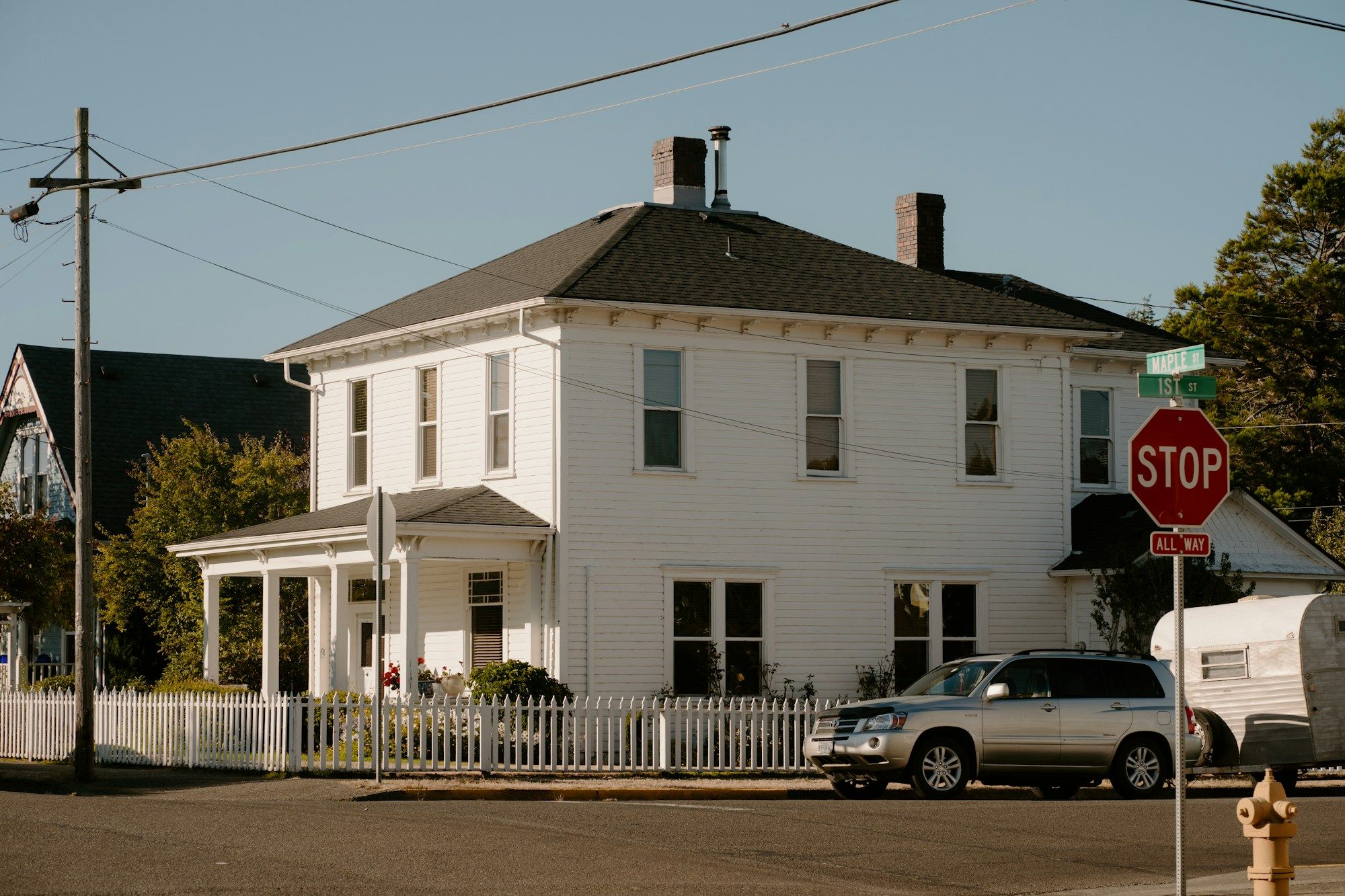
Lyndon sits on Summit and Eram silty clay loams. Summit clay swells when it is wet and shrinks when it dries, and that push and pull is what tips posts out of line here, a little more each year.
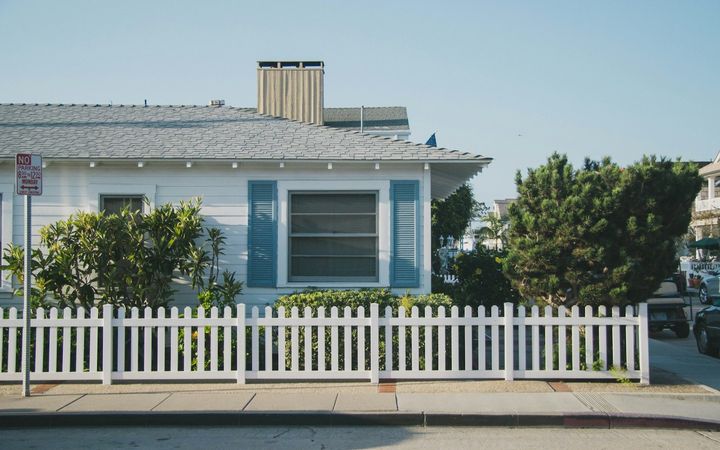
A 1920s house looks right behind a 3- or 4-foot picket fence. A 6-foot wall of boards doesn't suit it. We build the pickets in cedar or treated pine and gap them about two inches. The bottom rail sits a few inches above the grass, so a mower can trim under it later.
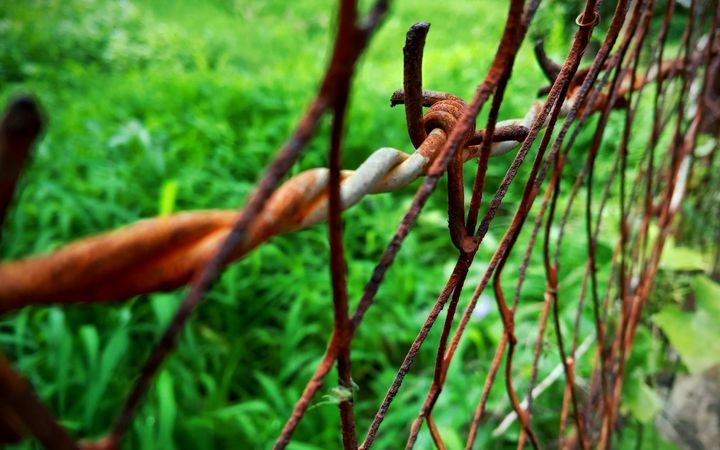
Rusted woven wire around a garden or a back lot comes out first, with its steel posts and any old concrete. After that, new posts go in fresh holes beside the old ones. A hole full of broken concrete won't hold a new post plumb.
After a rain, heavy clay holds water around a post. Then in a dry August it shrinks and pulls away. So we dig each hole about three times as wide as the post and put 4 to 6 inches of gravel in the bottom first, which lets water drain off the end. Once the concrete is in, we slope its top so rain runs away instead of sitting against the wood.
In the Eram soil, soft shale starts 28 to 35 inches down. Sometimes the auger stops short there. When it does, we finish the hole with a digging bar before the post goes in, rather than set it shallow.
Before anything goes up, Lyndon’s zoning regulations want a permit for a new or extended fence, for one taller than 6 feet, or for a job that replaces half a fence or more. You get it at City Hall. A fence in the required front yard, or on the street side of a corner lot, stops at 3 feet. Everywhere else the limit is 8 feet. At a corner, nothing over 3 feet sits inside the 30-foot sight triangle, and no fence goes in a platted easement.
Lyndon was founded in 1869. Some lots still have their first pins and some have none at all. If we can’t find a pin, the lot gets surveyed before a fence goes on the line, or we set the fence a foot inside where you think the line is.
Lyndon is about 37 minutes from Topeka, south on US-75 past Carbondale, 30 miles by road.
We also serve Valley Falls, KS, north of Topeka on the Delaware River.
Lyndon has a population of about 1,037. Here is what that means for the work we do here.
| Local fact | Detail |
|---|---|
| Homes built before 1940 | 36% of the city's 436 homes; the median home dates from 1958. |
| Main soils around the center | Summit and Eram silty clay loams, about 80% of the square mile around downtown. |
| Clay in the subsoil | Up to 45% in the Summit soil, rated high for shrink and swell. |
| Owner-occupied homes | 74.7%; 83.5% of homes are single-family detached. |
| Fence permit | $50 at City Hall for a new, extended or half-replaced fence, or one over 6 feet. |
| County | Osage County; Lyndon is the county seat. |
Cedar and pressure-treated pine fences, from shadowbox and picket to split rail, on posts rated for the ground and stained only once the boards have dried.
Six and eight foot screens of wood or vinyl boards, set on deep posts, stepped or racked to the yard, with a gate that still closes after a winter.
Bare galvanized or dark coated mesh on concrete-footed posts, pulled tight, with a coil wire low down for dogs that push, and gates hung square.
White, tan or gray vinyl in privacy, picket, shadowbox and ranch rail styles, with a screw locking each rail end, so a Kansas gust leaves the section standing.
Walk gates and driveway pairs hung on posts made for the load, plus repairs for gates that sag, drag or stopped latching.
Aluminum fence for front yards and pool barriers, with pool gates hung to swing out and latch by themselves, built to the pool code Topeka adopts.
Tell us roughly how many feet you need, how tall, and the material you have in mind. We call back with a per-foot range and what would move it: gates, a slope, or an old fence to tear out first.
Rarely. Steel posts from woven wire are too light to carry boards or chain link. And a wood post that has stood 15 years is usually soft where it meets the ground. Push a screwdriver in at the soil line. If it sinks, the post is done.
Paint suits pine pickets on an older house, but only once the wood has dried out for a few weeks. Cedar is different. It takes a penetrating stain better than paint, because paint peels wherever cedar's oils come through.
Yes. We stop the fence a foot or two short of the trunk and bridge the gap with a rail, so the main roots don't get cut. And we never nail a fence to the tree itself.
No. It marks the lines the utility companies own. A line you or a past owner ran yourselves, to a shed, a yard light or a well pump, is private and stays unmarked, so tell us where those run.
Cedar costs more per foot, resists rot without added chemicals and weathers to silver gray. Treated pine is cheaper and takes paint well, which is why it suits a painted picket fence.
Usually. Bring us a photo and the post spacing, and we match the board style and the height. New wood will look lighter than an old fence for the first year, until it weathers.
Call (785) 329-9250 to talk it through now, or describe the fence here for a callback.