
Privacy Fence Installation
Six and eight foot screens of wood or vinyl boards, set on deep posts, stepped or racked to the yard, with a gate that still closes after a winter.
Topeka Quality Fence offers fence installation and repair in Silver Lake, KS, including privacy fences, fence replacement and gate repair for Silver Lake homes.
Request a quote
Say where the fence goes and what it has to keep in or out. Someone calls back with a per-foot range.
Silver Lake takes its name from the lake the town was built beside. On a lot that slopes toward the shore, a fence usually stops short of the water. The low ground near the shore stays soft, and an open style there keeps the view across the lake.
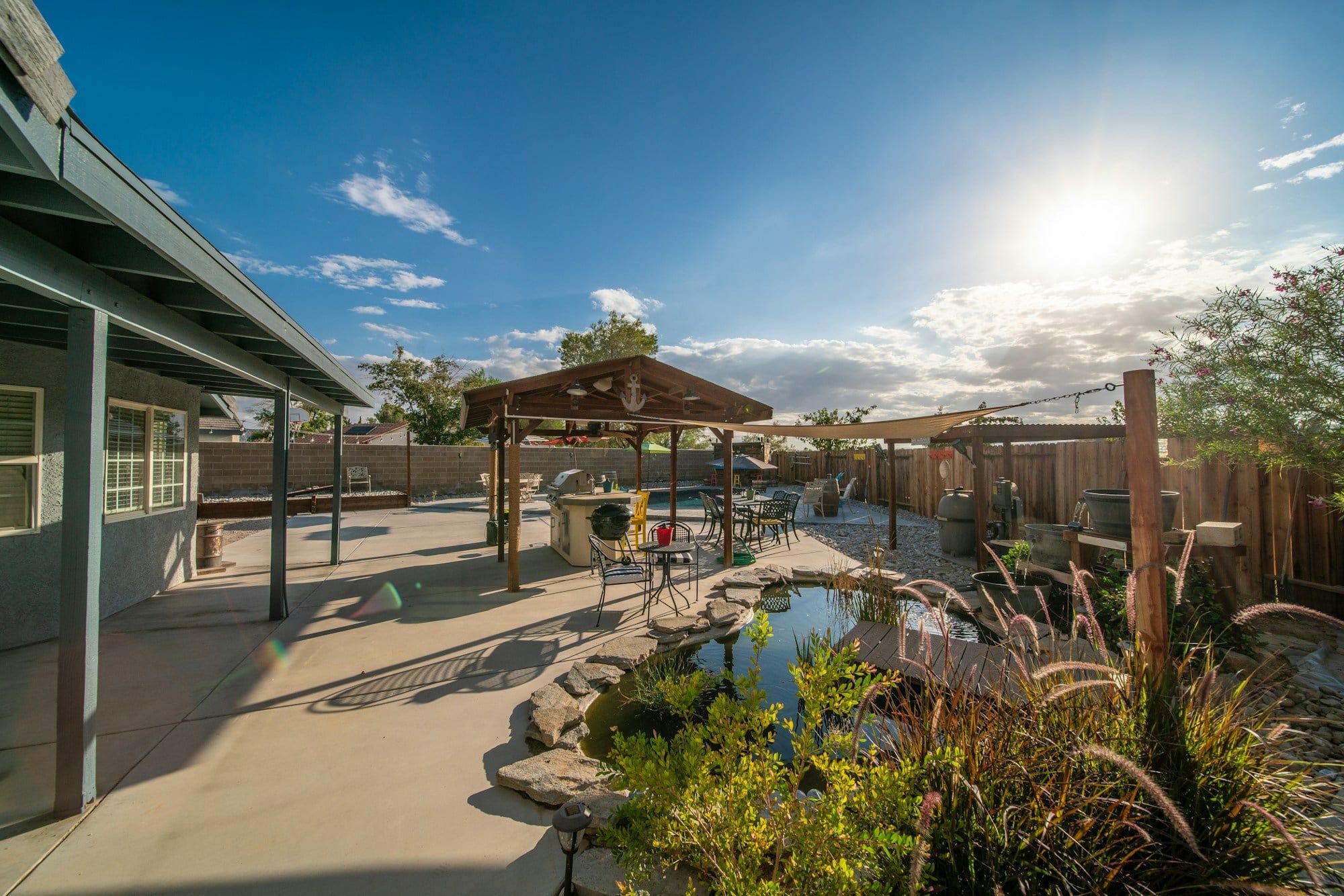
Most of Silver Lake stands on silt the Kansas River left behind. Eudora silt loam holds only about 14% clay, so it digs easily but gives a post little grip. Wider holes and more concrete make up for it, a 10- to 12-inch hole for a line post instead of 8.
The lowest spots near the lake are Kiro silty clay, up to 58% clay and often wet. A post in that clay moves every season. So the fence line steps back to firmer ground first, and vinyl or aluminum goes in where wood would stay damp.
Deer come in from the river timber, and rabbits come from everywhere. Town fences stop at 6.5 feet, and a deer can clear that. So a second, lower fence goes 3 to 4 feet inside the first, which keeps the deer from making the jump. Fine wire across the bottom 2 feet, buried a few inches, stops the rabbits.
Silver Lake was settled on the north bank of the Kansas River. The river has since moved to about a quarter mile south of town, and the old channel ground in between is still silt and sand. In a wet spring, a hole dug there can take on water before the post is even in. So we pour quick-setting concrete straight into the hole once the post is set, and the concrete pushes the water out ahead of it.
Before any fence goes up, Silver Lake’s zoning code asks for a zoning compliance permit, and the building official checks that it won’t block a driver’s view. No fence in town may top 6.5 feet unless the Board of Zoning Appeals grants a special permit. And closer to the street than the front setback, a fence has to be at least 60% open. That’s why split rail and picket go in front.
Silver Lake is about 21 minutes west of Topeka, 14 miles out on US-24.
We also serve St. Marys, KS, west of Topeka on US-24, past Rossville.
Silver Lake has a population of about 1,312. Here is what that means for the work we do here.
| Local fact | Detail |
|---|---|
| Homes built 1960 to 1979 | 43% of the city's 772 homes; the median home dates from 1972. |
| Homes built before 1940 | 23%; Silver Lake was founded in 1868 and incorporated in 1871. |
| Soils around the center | Rossville and Eudora silt loams from the Kansas River, about 83% of the square mile around downtown. |
| Owner-occupied homes | 73.1%; 75.6% of homes are single-family detached. |
| Fence permit | A zoning compliance permit before any fence is built; 6.5 feet at most. |
| Kansas River | The town was settled on its north bank; the river has since moved about a quarter mile south. |
Six and eight foot screens of wood or vinyl boards, set on deep posts, stepped or racked to the yard, with a gate that still closes after a winter.
Cedar and pressure-treated pine fences, from shadowbox and picket to split rail, on posts rated for the ground and stained only once the boards have dried.
White, tan or gray vinyl in privacy, picket, shadowbox and ranch rail styles, with a screw locking each rail end, so a Kansas gust leaves the section standing.
Bare galvanized or dark coated mesh on concrete-footed posts, pulled tight, with a coil wire low down for dogs that push, and gates hung square.
Aluminum fence for front yards and pool barriers, with pool gates hung to swing out and latch by themselves, built to the pool code Topeka adopts.
Walk gates and driveway pairs hung on posts made for the load, plus repairs for gates that sag, drag or stopped latching.
Tell us roughly how many feet you need, how tall, and the material you have in mind. We call back with a per-foot range and what would move it: gates, a slope, or an old fence to tear out first.
Yes, if the holes go wider and deeper than usual and the concrete is crowned above the soil. In loose ground we brace each post while the concrete cures. That way it sets plumb.
Yes. A solid section with a wide double gate hides it from the street and still lets it out. The posts on each side of the gate go in deeper, since they carry the gate leaves.
Yes. Chain link at 5 or 6 feet takes stray balls best, and you can still see the field through it. Vinyl or wood privacy works too. But a ball hits it harder.
Yes. Two or three rails on cedar or treated posts mark the line without closing the yard in. If there's a small dog, wire mesh can go on the inside to keep it in.
Far enough that a car door opens and a snowplow clears it, about 2 feet. Near the street, a fence at the end of a driveway stays low, so drivers backing out can see.
The length and height, the material, the number of gates and their hardware, taking out the old fence and hauling it away. The quote also notes the permit, rock or wet ground, and when the job can start.
Call (785) 329-9250 to talk it through now, or describe the fence here for a callback.